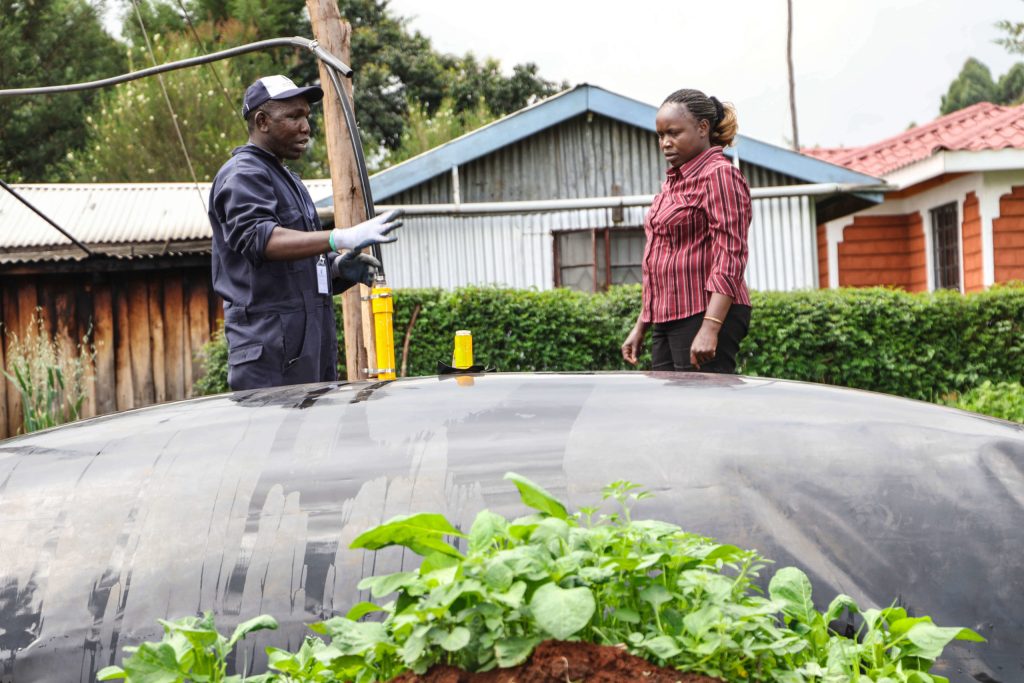
Climate change is reshaping Kenya’s food systems in real time. Erratic rainfall, prolonged droughts and declining soil health continue to undermine smallholder farming, particularly in regions dependent on rain-fed agriculture. As these pressures intensify, the need for resilient, inclusive and environmentally sustainable food systems has never been clearer. Aligned with Kenya’s National Agroecology Strategy for Food System Transformation (2024–2033), Dashcrop Ltd is showing how agroecological principles can be embedded into commercially viable agribusiness models, strengthening livelihoods while restoring ecological balance.
Building Resilience Through Crop Diversity
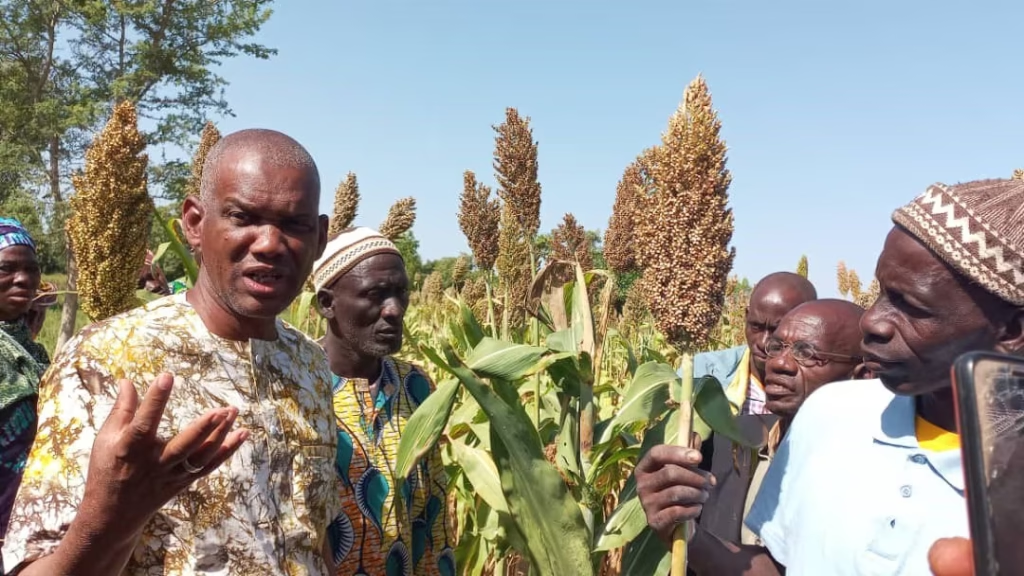
For decades, Kenya’s food system has relied heavily on maize, a crop that is increasingly vulnerable to climate stress. Dashcrop is taking a different path by developing structured value chains around climate-resilient, drought-tolerant and nutrient-dense crops such as sorghum, cassava, finger millet, amaranth and pulses.
By promoting diversified production systems, Dashcrop helps farmers reduce exposure to climate shocks while improving food and nutrition security at household and community levels. This approach reflects the agroecological focus on diversity, resilience and long-term sustainability rather than short-term productivity alone.
Farmers as Partners in Sustainable Food Systems
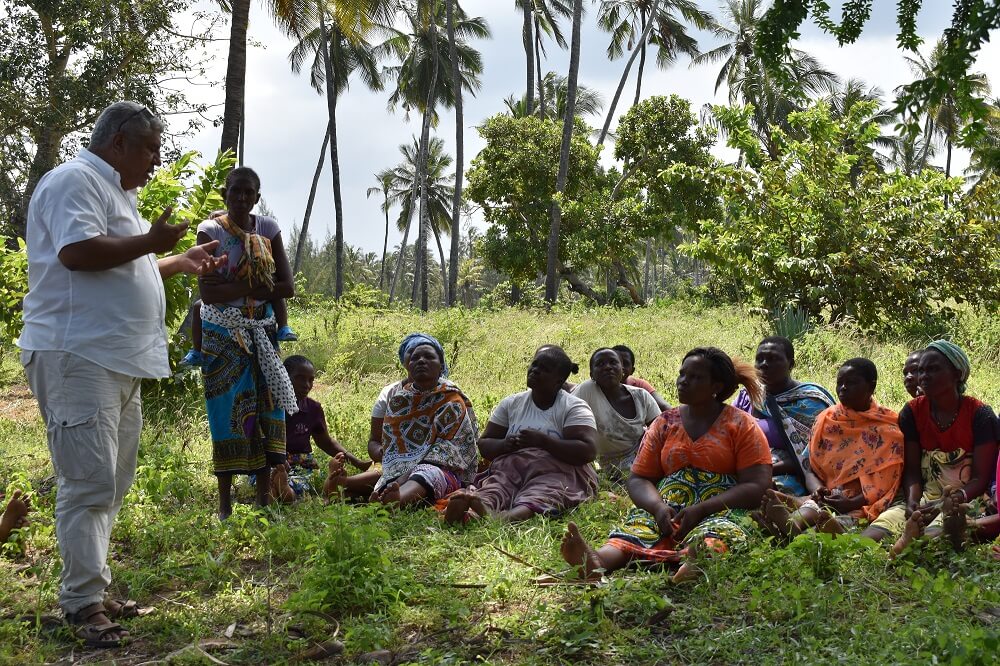
At the centre of Dashcrop’s model is a contract farming approach that treats farmers as long-term partners in a shared value chain. Working with more than 1,500 smallholder farmers, most of them women, the company supports producers across the full production cycle, from access to quality inputs and agronomic training to mechanisation, harvesting support and reliable markets. This partnership model strengthens farmer incomes, reduces market uncertainty and reinforces locally rooted food systems that are better able to adapt to climate variability.
Women at the Centre of Agroecological Solutions
Women play a central role in Dashcrop’s operations, both as producers and leaders. As a woman-led enterprise, the company has intentionally built inclusive value chains that expand women’s access to resources, markets and income opportunities. By enabling women to participate meaningfully in commercial agriculture, Dashcrop contributes to gender equity while strengthening household resilience and decision-making power, key social dimensions of agroecological food system transformation.
Impact at a Glance
As of June 2025, Dashcrop has created and sustained 14 jobs, supported 1,500 smallholder farming households supplying climate-resilient raw materials, and enabled 20,000 consumers to access affordable, nutritious food products. Beyond these figures, the enterprise is contributing to diversified cropping systems, improved nutrition outcomes and more resilient rural livelihoods.
Scaling Agroecology Through Strategic Investment
Dashcrop’s growth has been strengthened through investment from Kenya Climate Ventures (KCV), which supports early-stage enterprises delivering scalable climate solutions. This partnership has enabled Dashcrop to expand its market reach, strengthen internal systems and deepen its climate and social impact. The experience demonstrates that agroecological approaches are not only essential for climate adaptation, but also commercially viable when paired with patient capital, technical support and strong ecosystem partnerships.
Contributing to Kenya’s Food System Transformation
Dashcrop’s work complements national efforts led by government institutions and partners such as Biovision Foundation to advance sustainable, inclusive and climate-resilient food systems in Kenya. Together, these efforts show how policy, practice and private enterprise can align to drive meaningful food system transformation. As climate pressures intensify, enterprises rooted in agroecological principles offer a clear pathway forward. By turning climate risk into opportunity, Dashcrop is not only producing food, but also helping to build a more resilient, nutritious and inclusive food system for Kenya.
Written By: Lucy Ndumi